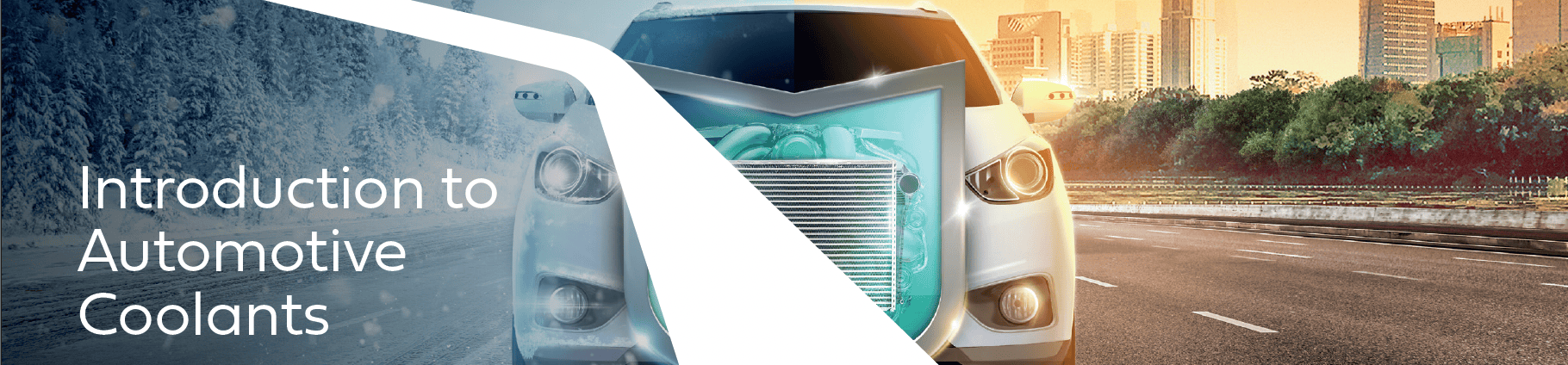
Converting fuel and air into usable power, the internal combustion engine has become a key part of day-to-day life. However not all of the fuel is converted to power. A significant amount of fuel is converted to heat which needs to be removed to prevent overheating and engine damage.
Although some engines are air cooled, in most cases a liquid coolant is circulated within the engine and through a radiator
Development of coolants
The most commonly used early coolant was water, readily available, effective, low cost and safe. Water does however have a number of issues such as freezing, boiling and corrosion.
Freezing
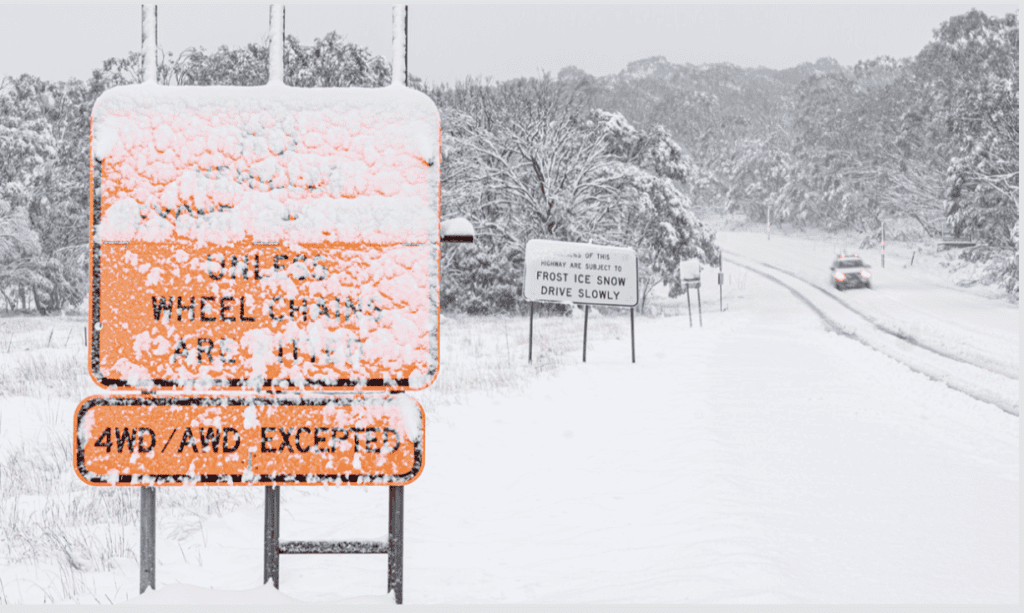
Freezing at 0°C means that water alone is not suitable for many cold applications. Other chemicals must be added to lower the freezing point.
Ethylene Glycol
The 1920‘s saw the introduction of a water and ethylene glycol mixture as a coolant. This significantly lowered the freezing point (-37°C for 50% mixture). Water glycol mixture has been so successful that it is still the major component of most coolants today.
Additional benefits
As well as decreasing the freezing point a mixture of water and ethylene glycol. also increases the boiling point (approx. 120°C in a pressurized cooling system). This higher boiling point allows the cooling system to operate at a higher temperature and with increased efficiency.
Toxicity
Although ethylene glycol provides benefits there are also potential issues. Ethylene glycol is toxic and must be packaged and handled appropriately. Bitterant is added to minimize the chance of ingestion.
Propylene Glycol
With similar performance but non-toxic, propylene glycol is an alternative used in some applications.
Corrosion Inhibitors
Water glycol mixtures are very corrosive and if used alone would damage the cooling system, so corrosion inhibitors must also be added. The inhibitors must be capable of both protecting metal components such as Iron, Copper and Aluminum as well as not affecting gaskets, seals and hose materials.
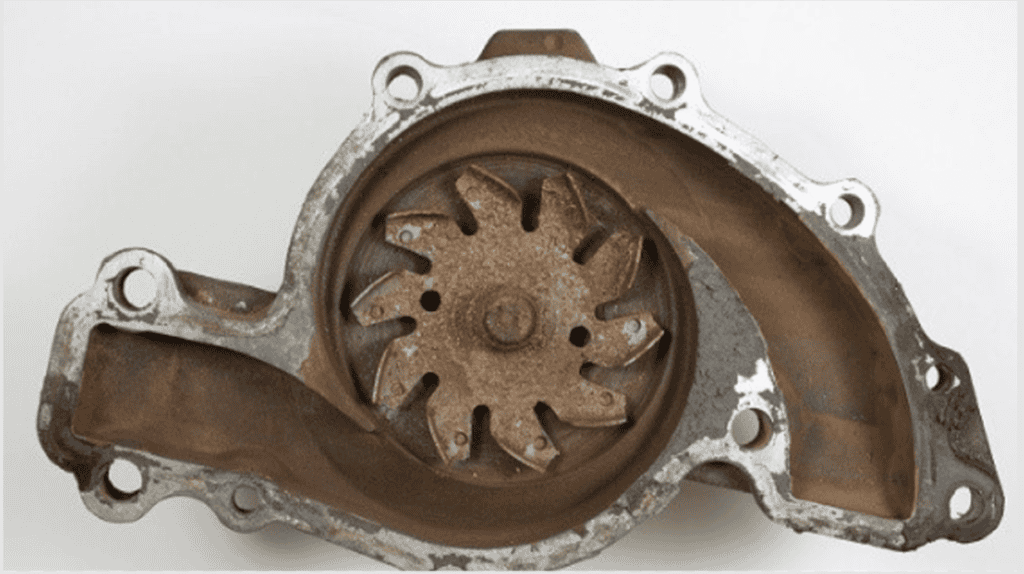
Corrosion inhibitors are grouped into three types.
1. Inorganic
2. Organic Acid Technology (OAT)
3. Hybrid (mixture of Inorganic and OAT)
Inorganic Inhibitors
These chemicals are a mixture of inorganic ions that form a layer on the metal surface preventing corrosion. As cooling systems contain a number of different metals no single inhibitor provides full corrosion protection. The inhibitor package is a mixture of chemicals balanced to provide the best overall protection. Although they provide good protection Inorganic inhibitors are depleted relatively quickly and the service life is relatively low (approx. 2 years).
Key components may include.
Phosphate – Good Iron protection
Silicate – Good Aluminum protection
Borate – Protection against cavitation
Nitrite – Protection against cavitation
RADICOOL (Concentrate & Premix) (Green)
General purpose ethylene glycol based inorganic coolant for older cars and light commercial vehicles.
Organic acid technology (OAT)
The next group of inhibitors are derived from organic compounds such as amines and carboxylates. Similar to Inorganic inhibitors OAT’s also form a protective layer on the surface. However, having lower depletion rates than the inorganic inhibitors OAT’s can provide significantly longer service life (up to 5 years or 1 million km).
The next group of inhibitors are derived from organic compounds such as amines and carboxylates. Similar to Inorganic inhibitors OAT’s also form a protective layer on the surface. However, having lower depletion rates than the inorganic inhibitors OAT’s can provide significantly longer service life (up to 5 years or 1 million km).
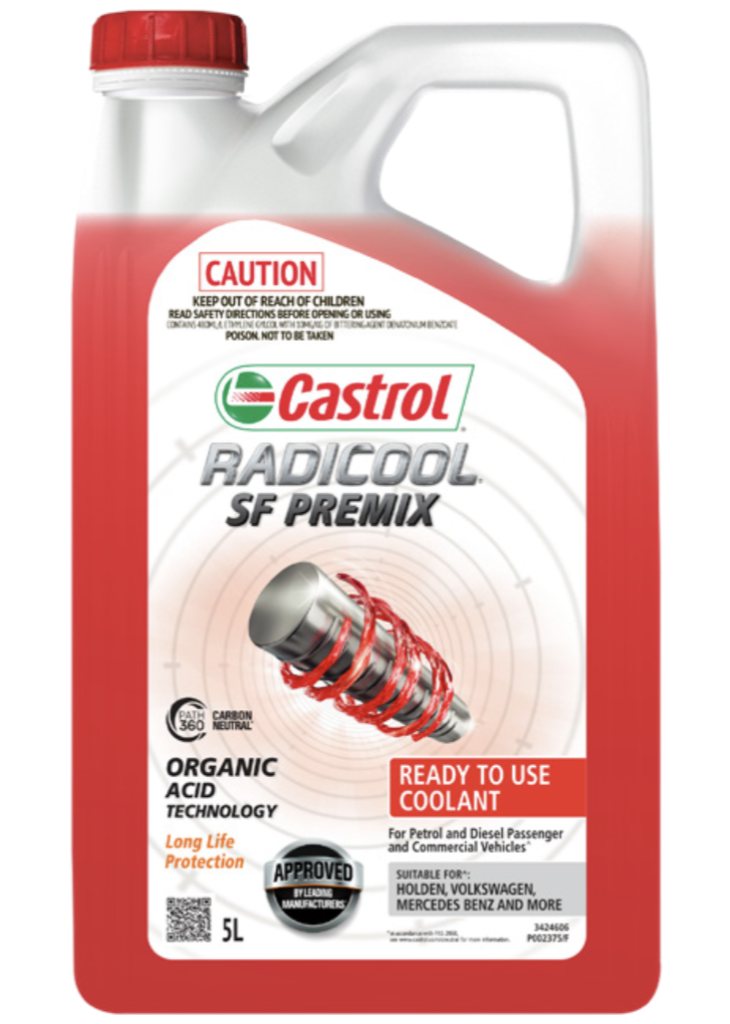
RADICOOL SF (Concentrate & Premix) (Red)
A long-life coolant based on ethylene glycol and advanced organic acid inhibitors. Suitable for a wide range of OEM’s.
RADICOOL NON-GLYCOL (Premix) (Green)
This glycol free water-based OAT coolant is formulated for a range of automotive, industrial and mining applications where antifreeze coolant is not specified.
Hybrid organic acid technology (HOAT)
By combining Inorganic and Organic inhibitors Hybrid coolants can provide increased corrosion protection while maintaining the OAT benefits of long-lasting coolant life.
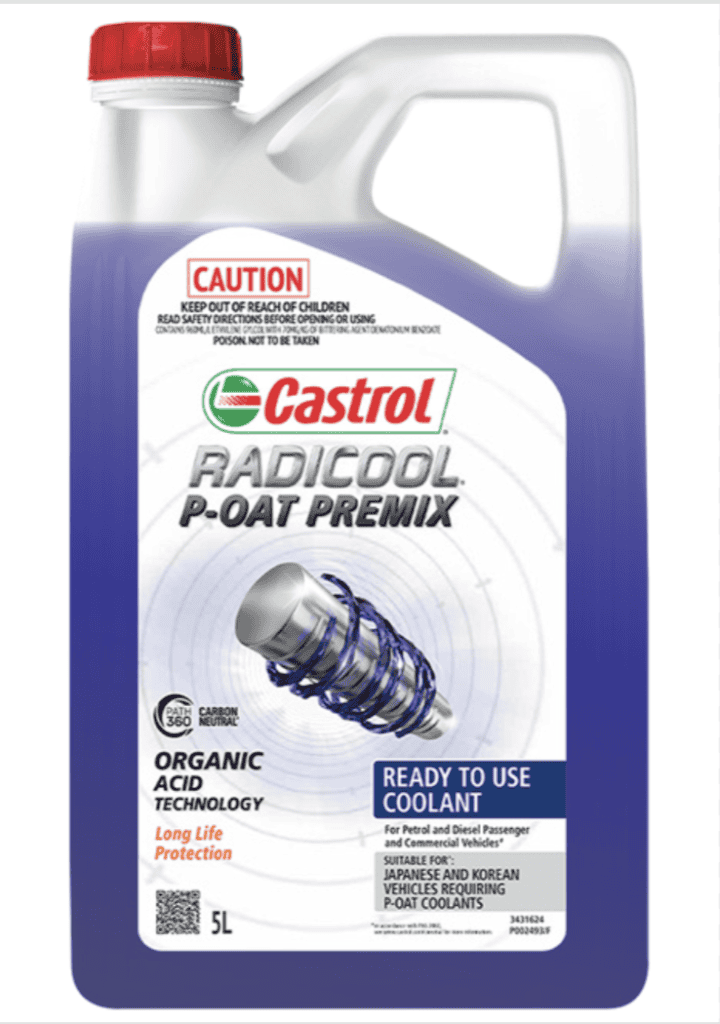
RADICOOL P-OAT (Concentrate and premix) (Dark Blue)
Using OAT technology with additional phosphate Radicool P-OAT is suitable for a wide range on engines particularly Japanese and Korean manufacturers.
RADICOOL SI-OAT (Concentrate and premix) (Pink)
Using added silicates and organic acid technology this product is
suitable for a range of vehicles particular European. Si-OAT is specified
for use in current model Mercedes Benz trucks.
RADICOOL NF (Concentrate and premix) (Blue Green)
Nitrite free this hybrid product is also suitable for a range of European
manufacturers including older Mercedes Benz trucks.
PREMIUM COOL PLUS (Concentrate and premix) (Green)
This low silicate hybrid product provides extended service life and
engine protection for a range of US, Euro and Japanese vehicles.
RADICOOL PG PREMIX (Blue)
This low silicate hybrid product is based on non-toxic propylene glycol.
Premixed with deionized water it provides protection and long service
life in light and heavy-duty diesel applications.
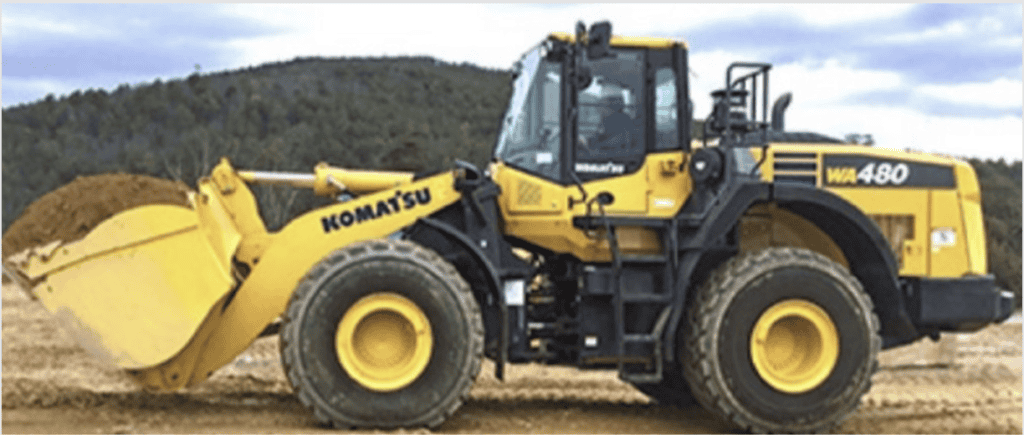
Premix or concentrate?
Each Coolant is developed to provide optimum protection.
However, the effectiveness and service life can be decreased if the coolant is contaminated. Coolant concentrate should be diluted with distilled / deionized .water only. Use of other water including tap water may add salts or dirt and reduce the service life. To ensure the correct coolant concentration and water quality, the recommendation is normally for the use of a premixed coolant.
Leave a comment
Your email address will not be published. Required fields are marked *